
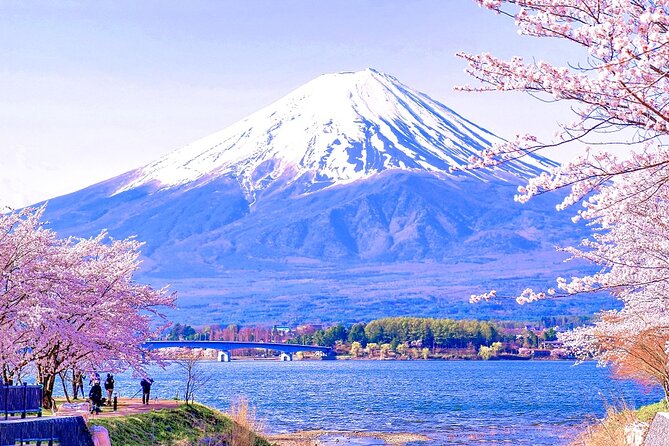
Understanding the 5th Station Weather: The Key to a Successful Visit
Mt Fuji's 5th Station (approx. 2,300 m elevation) is the gateway to the climbing trail and the destination for day-trip visitors. Yet many visitors underestimate one critical factor: cold temperatures and sudden weather changes. Even in the height of summer, average temperatures sit at just 12–13°C, and fog, rain, and strong wind can arrive without warning.
This guide covers monthly temperature data for the 5th Station, clothing recommendations for every season, how to check real-time weather forecasts, how conditions change with altitude, the frequency of rain and fog, typhoon season precautions, and expert tips — everything you need to know before your visit or climb.
Mt Fuji is said to "wear a different face every 1,000 metres of altitude." It is common for the base to be brilliantly sunny while the 5th Station and above are deep inside cloud. Weather forecasts are a reference, not a guarantee. The hour you spend acclimatising at the 5th Station is also your best opportunity to read what the mountain is telling you that day.
— Editorial Team, Mountain Guide ExperienceMt Fuji 5th Station: Monthly Temperature & Climate Data (approx. 2,300 m)
The data below is based on historical observation records and meteorological statistics for the Yoshida-guchi 5th Station (2,305 m elevation). Actual conditions vary year to year.
| Month | Avg Temp | Max Temp (est.) | Min Temp (est.) | Rainy Days (est.) | Weather Character |
|---|---|---|---|---|---|
| January | −8 to −5°C | −2°C | −14°C | 5–8 days | Heavy snow; road closures likely |
| February | −9 to −6°C | −2°C | −15°C | 5–7 days | Coldest month; frequent strong winds |
| March | −5 to −2°C | 3°C | −10°C | 7–9 days | Spring storms; heavy residual snow |
| April | 0–3°C | 8°C | −4°C | 8–10 days | Alternating snow and rain; frequent fog |
| May | 4–8°C | 14°C | 0°C | 9–11 days | More sunny spells; some residual snow |
| June | 8–11°C | 17°C | 4°C | 12–15 days | Rainy season; frequent rain and fog |
| July | approx. 12°C | 20°C | 7°C | 9–11 days | More clear days after rainy season ends; afternoon thunderstorms possible |
| August | approx. 13°C | 21°C | 8°C | 8–10 days | Warmest month; typhoon season begins |
| September | approx. 9°C | 15°C | 4°C | 10–12 days | Peak typhoon season; temperature begins dropping |
| October | approx. 5°C | 11°C | 0°C | 8–10 days | First snowfall possible; climbing trail closed |
| November | approx. 0°C | 6°C | −5°C | 7–9 days | Regular snowfall; full winter clothing required for 5th Station visit |
| December | −5 to −3°C | 1°C | −10°C | 5–7 days | Full winter conditions; general sightseeing is difficult |
* The above figures are reference values based on historical statistics. Actual temperatures and conditions vary significantly year to year. Always check the latest weather information before departing.
What to Wear: Seasonal and Situational Clothing Guide
When choosing clothing for the Mt Fuji 5th Station, use "10–15°C colder than the lowlands" as your baseline. On windy days, the effective temperature drops even further.
🏧 Summer (July and August) Clothing
- Base: Moisture-wicking long-sleeved top (a single T-shirt alone is not enough)
- Mid-layer: Fleece or light-weight down jacket
- Outer layer: Windproof and waterproof jacket (essential)
- Legs: Long trousers recommended (avoid shorts)
- Footwear: Trainers are acceptable but waterproof shoes are ideal
- Hat and gloves: Useful on cooler, windier days
12–13°C is jacket weather — do not be lulled into a false sense of security by the season.
🍁 Spring and Autumn (May, June, September, October)
- Base: Thermal long-sleeved top (wool or synthetic)
- Mid-layer: Fleece or medium-weight down
- Outer layer: Waterproof hardshell (Gore-Tex or equivalent)
- Legs: Insulating trekking trousers
- Footwear: Waterproof high-cut shoes recommended
- Hat, neck gaiter, and gloves (essential)
October may bring frost or thin ice. Come prepared as if for full winter.
🙜 Winter (November to April)
- A 5th Station sightseeing visit in winter is generally not recommended
- Specialist winter mountaineering equipment (crampons, ice axe) required
- Road closures and bus service suspensions are likely
- If you do visit, an experienced mountaineer companion is essential
- Insulation: Down trousers, balaclava, double-layer gloves
The climbing trail is closed. Even if the road is open, venturing on foot to high elevations is extremely dangerous.
⛈ Rainy and Foggy Day Gear
- Rain jacket and trousers — not a poncho (ponchos are useless in wind)
- Waterproof stuff sacks (for cameras and phones)
- Spare underwear and socks in a zip-lock bag
- Grippy footwear — wet paving stones are treacherous
- Trekking poles (useful for navigation in reduced visibility from fog)
Rain gear is available at 5th Station shops, but it is overpriced. Prepare in advance.
How to Check Real-Time Weather at Mt Fuji
Mt Fuji has its own distinct meteorological behaviour that general weather forecasts do not capture. Use the following sources in combination for the most accurate picture.
🌟 Japan Meteorological Agency
The JMA publishes real-time observation data from the Mt Fuji summit (3,776 m) and stations near the 5th Station — including actual wind speed, temperature, and pressure readings.
URL: jma.go.jp (Mt Fuji observation data)
Highest reliability. Requires some familiarity with meteorological data to interpret.
🌧 tenki.jp Mountain Weather
Japan Weather Association's dedicated mountain forecasts. Mt Fuji has altitude-specific forecasts at six elevation bands: 2,000 m, 2,500 m, 3,000 m, 3,500 m, and 3,776 m.
URL: tenki.jp/mountain/
Most user-friendly format for climbers. Best used the evening before and morning of departure.
📷 Live Camera Feeds
Fujiyoshida City and the Yamanashi Tourism Federation operate live webcams near the 5th Station and summit area. See real-time cloud movement and visibility with your own eyes.
URL: fujiyoshida.net (Fujiyoshida City Tourism)
Best resource for checking "right now" conditions immediately before departure.
📱 Windy App
A free, high-resolution weather visualisation tool. Shows wind speed, cloud cover, and precipitation around Mt Fuji as animated layers. Excellent for understanding wind patterns.
URL: windy.com
Great for experienced users who want a 3D picture of atmospheric conditions.
🔋 Mountain Huts & Official Sources
Some huts on Mt Fuji — including Sato Goya — post real-time mountain conditions on social media or blogs during the climbing season. Search for current conditions this way.
Social media: Search "Mt Fuji weather today" on X (formerly Twitter)
Raw on-the-ground information — high reference value during the climbing season.
📌 Mt Fuji Official Website
The official Mt Fuji climbing websites for Yamanashi and Shizuoka prefectures publish climbing restrictions, road closures, and emergency alerts. Essential for typhoon conditions.
URL: fujisan-climb.jp
Final check before departure — do not miss any restriction notices.
How Weather Changes with Altitude: 5th Station to the Summit
Conditions on Mt Fuji change dramatically as you ascend. The 5th Station can be sunny while the 8th Station is in the middle of a storm — and this is not unusual.
| Location | Elevation | Avg Temp in August | Weather Character |
|---|---|---|---|
| Lake Kawaguchi (base) | 833 m | 22–24°C | Near-lowland conditions. Hot in summer. |
| 5th Station (Yoshida) | 2,305 m | approx. 13°C | Near the cloud formation altitude. Sunshine and fog alternate frequently. |
| 7th Station | approx. 2,700 m | approx. 10°C | Often above the cloud layer. UV intensity is very high. |
| 8th Station (main hut zone) | approx. 3,100 m | approx. 7°C | Wind increases significantly. Temperature drops sharply. |
| Summit (Kengamine) | 3,776 m | approx. 3–5°C | Wind speeds over 15 m/s not uncommon. Wind chill can bring effective temperature below −5°C. |
Checking the weather at the 5th Station is also your last real chance to decide whether to continue climbing. If it is overcast and grey at the 5th Station, conditions above are almost certainly worse — deep inside fog. Navigating in poor visibility increases the risk of losing the trail. On a questionable day, it is a wise and mature decision to either postpone or limit yourself to 5th Station sightseeing.
— Editorial Team, Mountain Guide ExperienceRain and Fog: Mt Fuji's Unique Weather Patterns
Mt Fuji is one of Japan's wettest mountains. Annual precipitation at the base (Fujiyoshida City) is around 1,800 mm, and at the 5th Station it is estimated to exceed 2,500 mm. The rainy and typhoon seasons bring the highest volumes.
How Fog (Cloud Sea) Forms at the 5th Station
The Mt Fuji 5th Station sits close to the altitude at which clouds naturally form. When moist air rises up the mountain's slope from the valley, it cools at around the 5th Station and condenses into fog (low-level cloud). This is what it feels like to be "inside the cloud." Conversely, when a high-pressure system pushes down the cloud base, the 5th Station rises above the cloud layer — giving the spectacular "sea of clouds" (unkai) views.
🌂 Times and Seasons When Fog Is Most Common
- Noon to evening: Convective cloud development from solar heating creates fog easily
- June to early July: Rainy season front brings persistent drizzle and fog
- September: After typhoon and front passages, fog tends to linger
- Early morning (5–8 AM): The "golden window" when clear conditions are most likely
⛈ Months and Seasons with the Most Rain
- June: Full rainy season. More than half the month may see rain.
- September: Overlaps with typhoon season — high precipitation volume
- Late July to early August: Post-rainy season — highest clear-day rates of the year
- Thunderstorms: Localised afternoon thunderstorms common in July and August
Best Season by Weather: Monthly Recommendation Table
| Period | Clear Day Rate | Temp (5th Station) | Crowd Level | Rating | Notes |
|---|---|---|---|---|---|
| Early–mid July | Medium–high | 10–12°C | Low–medium | ★★★☆☆ | Around the end of the rainy season. Unstable days possible. |
| Late July | High | approx. 12°C | Medium | ★★★★☆ | Post-rainy season prime window |
| Early August (before Obon) | Highest | approx. 13°C | Highest | ★★★★☆ | Best weather; worst crowds |
| Mid–late August | Medium–high | 12–13°C | High | ★★★☆☆ | Typhoon risk rises |
| Early September | Medium | 9–11°C | Low–medium | ★★★★☆ | Quiet but watch for typhoons and cooling temps |
| October (sightseeing only) | Medium–high | 4–7°C | Low | ★★★☆☆ | Climbing trail closed; beautiful autumn scenery |
Taking everything into account, late July to early August (before Obon) is the overall best season for visiting the 5th Station and climbing Mt Fuji. After the rainy season ends and before the typhoon season peaks, this window sees the highest clear-day rates and the most stable temperatures. For smaller crowds and a quieter experience, early September is the smart choice.
⛈ Typhoon Season Precautions (Late August–September)
The Mt Fuji climbing season (July–September) directly overlaps with Japan's typhoon season. From late August through September in particular, typhoon landfall frequency is highest, with significant potential to affect climbing plans.
What Happens When a Typhoon Approaches
- Road closures on the Fuji Subaru Line and Fujisan Skyline
- Suspension of bus and shuttle bus services to the 5th Station
- Tour cancellations or postponements
- Temporary closure of mountain huts
- Wind gusts exceeding 40 m/s near the summit
- Elevated risk of rockfall and landslides
Typhoon Season Preparation
- Travel insurance: Choose a policy that covers typhoon-related cancellations
- Select tours with free cancellation policies for bad weather
- Monitor Japan Meteorological Agency typhoon tracking daily
- Build 1–2 backup dates into your itinerary
- Wait at least 72 hours after a typhoon passes before climbing — landslide risk remains elevated
- Always submit a climbing plan (tozan todoke) — essential for emergency contact
7 Expert Tips for Dealing with Mt Fuji 5th Station Weather
Begin checking tenki.jp's Mt Fuji-specific mountain forecast every day from one week before your climb or visit. Understanding the trend — improving or deteriorating — makes it much easier to decide whether to adjust your schedule.
Like most mountains, Mt Fuji's weather is most stable in the morning. Plan your time at the 5th Station for 7–11 AM and aim to be back in the valley by early afternoon. This applies equally to day-trip visitors and climbers.
A rough rule of thumb: effective temperature ≈ air temperature − wind speed (in m/s). At 10°C with 10 m/s wind, it feels like 0°C. The 5th Station is often windy, so dress for conditions 5–8°C colder than the forecast temperature.
As soon as you arrive at the 5th Station, put your rain jacket in the top pocket of your pack where you can grab it instantly. Fog and rain arrive without warning. Keep your pack covered too.
Some people begin to feel altitude sickness symptoms at 2,300 m. If you develop a headache or nausea, descend immediately. Cold also drains your energy reserves. Stay conscious of both hydration and warmth simultaneously.
UV intensity at altitude is 1.5–2 times higher than at sea level. Clouds and fog do not block UV radiation effectively. Apply SPF 50+ sunscreen and wear sunglasses even on overcast days.
If you are unsure about weather or safety decisions, joining a guided tour is the safest choice. Professional guides make instant real-time calls on pace, route adjustments, and whether to push on or turn back — all based on current conditions.
Frequently Asked Questions: Mt Fuji 5th Station Weather
Average temperature at the 5th Station (approx. 2,300 m) is about 12°C in July and about 13°C in August — roughly 10–15°C colder than the Lake Kawaguchi area below. Maximum temperatures rarely exceed 20°C even in midsummer. A long-sleeved layer and a jacket are essential regardless of the season.
The most reliable sources are the Japan Meteorological Agency's observation data and the tenki.jp mountain-specific forecast for Mt Fuji. The live camera feeds at Fujiyoshida City's tourism site let you see current visibility conditions. We recommend checking multiple sources the evening before and on the morning of your visit.
Mt Fuji receives high levels of precipitation — the 5th Station area is estimated to see 2,500+ mm per year. June to July (rainy season) and September (typhoon season) are the wettest periods. Mountain weather typically deteriorates in the afternoon, so mornings are the best time for clear conditions at the 5th Station.
When a typhoon approaches or makes landfall, roads and bus services to the 5th Station may be suspended and tours cancelled. If you are planning a visit between late August and September, choose a tour with free cancellation and strongly consider purchasing travel insurance with typhoon coverage. Do not travel in active typhoon conditions. Even after the typhoon passes, wait at least 48 hours before climbing.
Temperature drops approximately 0.6°C per 100 m of altitude gain. The elevation difference between the 5th Station (2,300 m) and the summit (3,776 m) is about 1,476 m, producing a temperature difference of approximately 8–9°C. If the 5th Station is 12°C, expect the summit to be around 3–4°C — and potentially much colder with wind chill factored in.
Average temperatures in October are about 5–7°C, dropping to 0–3°C in November. Snowfall is possible from mid-October. The climbing trail closes in early October. Sightseeing buses to the 5th Station may still be operating — check current schedules. Full winter clothing is essential for any October or November visit.
Considering weather, temperature, and crowd levels together, late July to early August (before the Obon holiday) is the overall best window. Clear-day rates peak after the rainy season ends and temperatures are at their most comfortable. For smaller crowds, early September is a good option. For autumn foliage around the 5th Station (Okuniwa garden area), early October is the peak.
Plan Your Visit Around the Best Weather
Search tours for the clearest periods of the year and book early for the best discounts. Guided tours include expert weather judgement for complete peace of mind.
Book a Mt Fuji Tour ➔