
Mount Fuji Tour Packages at a Glance
With dozens of operators and hundreds of individual listings, choosing a Mount Fuji tour package can feel overwhelming. The table below cuts through the noise and gives you the key data points for every major package category so you can narrow down your options in under two minutes.
| Package Type | Duration | Price Range (per person) | Best For | Climbing Season Only? |
|---|---|---|---|---|
| Day Trip — 5th Station | 9–11 hrs | ¥8,000–¥16,000 | First-timers, families, non-climbers | No (year-round) |
| Summit Climbing (1 night / 2 days) | 2 days | ¥25,000–¥55,000 | Fit travellers seeking the summit | Yes (July–Sep) |
| Fuji + Hakone Combo | 1–2 days | ¥15,000–¥38,000 | Those wanting two iconic destinations | No (year-round) |
| Fuji + Kawaguchiko Combo | 1 day | ¥10,000–¥22,000 | Scenic lake views, photography | No (year-round) |
| Cherry Blossom Special | 1 day | ¥10,000–¥20,000 | Spring visitors, photographers | No (Mar–Apr) |
| Autumn Foliage Tour | 1 day | ¥9,000–¥18,000 | Autumn colour seekers, hikers | No (Oct–Nov) |
| Private Tour | Flexible | ¥30,000–¥100,000+ | Families, couples, special occasions | No (year-round) |
Prices are indicative ranges sourced from publicly listed tours. Actual costs vary by operator, season, group size, and inclusions. Verify current pricing before booking.
1. Mount Fuji Day Trip Packages
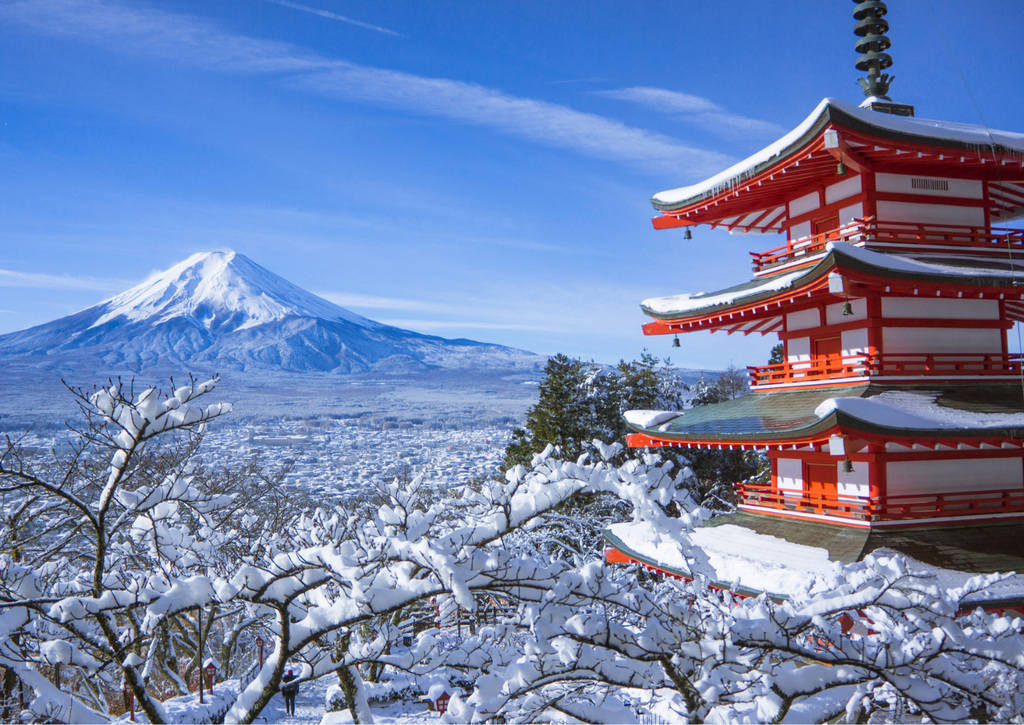
A day-trip package is the single most popular way to experience Mount Fuji without committing to a full climb. These tours depart from central Tokyo — most commonly from Shinjuku Station — and return the same evening. Depending on the package level, you may spend anywhere from two to five hours on or around the mountain.
What Is Typically Included
- Round-trip coach transport from a designated Tokyo pickup point
- English-speaking tour guide throughout the journey
- Stop at Fuji Subaru Line 5th Station (approx. 2,300 m elevation)
- Free time to walk the Ochudo trail, visit the gift shops, or simply take in the views
- One or more additional sightseeing stops (varies by package — common choices include Oshino Hakkai, Lake Kawaguchiko, and the Fuji Sengen Shrine)
What Is Usually Not Included
- Trail entry fee / climbing permit (¥2,000 per person as of 2024 — required only for those ascending above the 5th Station gate)
- Meals and drinks (some premium packages include lunch; confirm before booking)
- Admission fees to any paid viewpoints or museums on the route
Pricing Overview
Budget Tier
¥8,000–¥12,000
Basic transport + guide + 5th Station stop. Minimal add-ons, larger group sizes (25–45 people). Ideal if you just want to reach the mountain without frills.
Mid-Range Tier
¥12,000–¥18,000
Smaller groups (15–25 people), more sightseeing stops, better pickup locations, often includes a scenic lake stop and more time on the mountain.
Premium Tier
¥18,000–¥30,000
Small-group or semi-private experience, expert naturalist guides, lunch included, hotel pickup in broader Tokyo area, and curated cultural stops.
2. Multi-Day Climbing Packages
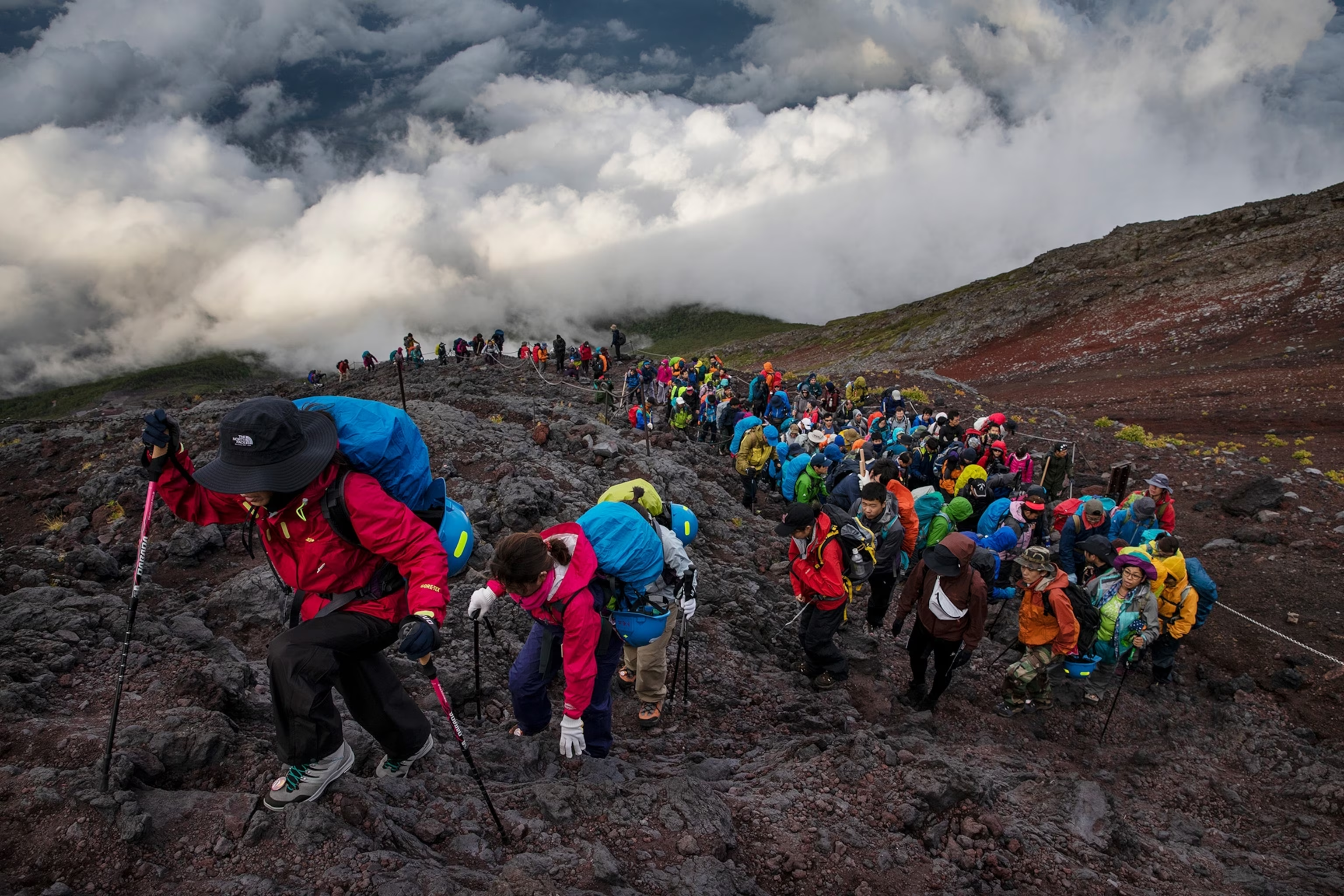
For those who want to stand on the 3,776-metre summit of Japan's highest peak, a guided climbing package is by far the safest and most practical option. The climbing season runs from early July to early September, and the best packages sell out weeks in advance. This section explains what to expect, how packages are structured, and what separates a good value climbing tour from a dangerous false economy.
Standard 2-Day, 1-Night Structure
Almost all commercial climbing packages follow the same broad framework. You depart Tokyo on Day 1, travel to the 5th Station trailhead, begin the ascent in the late afternoon, spend the night at a mountain hut between the 7th and 8th Station (roughly 3,000–3,200 m), then rise before dawn to reach the summit for sunrise — known in Japanese as goraiko. The descent is completed during the morning, and the group is back in Tokyo by early afternoon.
| Element | Included in Most Packages | Optional Add-On |
|---|---|---|
| Tokyo round-trip transport | ✓ Yes | — |
| Trail permit (¥2,000) | ✓ Usually included | Some budget packages exclude |
| Mountain hut accommodation | ✓ Yes | — |
| Dinner & breakfast at hut | ✓ Standard packages | Some budget options exclude |
| English-speaking guide | ✓ Yes | — |
| Hiking boots rental | Sometimes | ✓ Usually available |
| Rain gear / jacket rental | Sometimes | ✓ Usually available |
| Trekking pole rental | Rarely | ✓ Yes |
Recommended Fitness Level
The ascent from the 5th Station to the summit gains roughly 1,400 metres in elevation over 5–7 hours of walking. There is no technical climbing involved, but altitude sickness is a genuine risk above 2,500 metres. You do not need to be an experienced hiker, but you should be able to walk for 6–8 hours with elevation gain without undue strain. Operators typically describe the difficulty as "moderate to challenging." If you currently struggle with 90-minute city walks, consider a day trip first and attempt the summit on a subsequent visit after building fitness.
After guiding dozens of first-time Fuji climbers, the single biggest factor separating successful summits from turnarounds is pace — not fitness. The Yoshida Trail is littered with signs saying "slow and steady." Guides who enforce a genuinely slow pace and build in a 30-minute rest at the mountain hut for full acclimatisation see far higher summit completion rates than those who rush. When comparing packages, ask the operator specifically about their group pace policy.
— Editorial Team, Mt Fuji Guide3. Combo Packages: Fuji + Hakone & Fuji + Kawaguchiko
Combining Mount Fuji with a second destination is smart travel planning. Both Hakone and Kawaguchiko offer world-class scenery in their own right and complement the Fuji experience beautifully. Combo packages also deliver better value per yen than booking each leg separately.
Fuji + Hakone Combo
¥15,000–¥38,000 | 1–2 days
Hakone National Park sits roughly 30 km southwest of Mount Fuji and offers one of the most famous views of the mountain: the iconic reflection in Lake Ashi, often photographed with a traditional red torii gate in the foreground. Standard package highlights include:
- Mount Fuji 5th Station sightseeing
- Lake Ashi cruise or lakeside walk
- Hakone Ropeway over active volcanic terrain (Owakudani)
- Optional overnight in a Hakone ryokan (traditional inn) with hot spring
- Return to Tokyo via the scenic Odakyu Romance Car (some packages)
Best for: Travellers with 2 days to spare who want an authentic Japanese hot spring experience alongside the mountain scenery.
Fuji + Kawaguchiko Combo
¥10,000–¥22,000 | 1 day
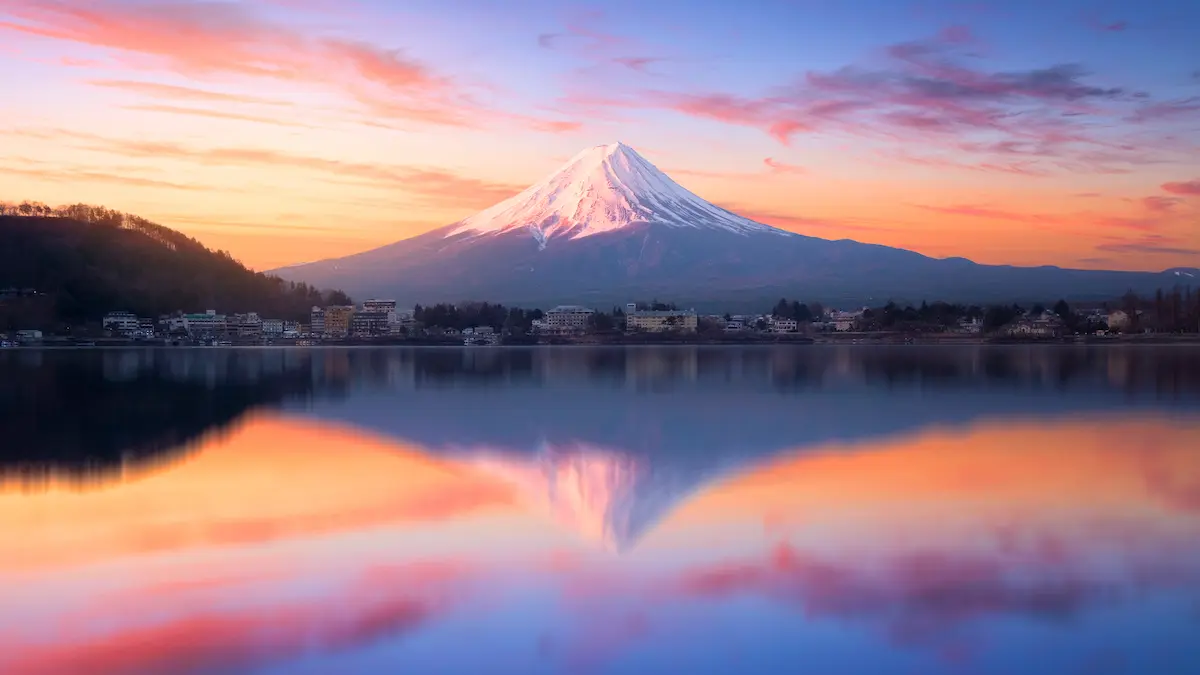
Lake Kawaguchiko is the most accessible of the Fuji Five Lakes and provides a completely different perspective of Mount Fuji from the north. The reflections on calm mornings are extraordinary. Package highlights typically include:
- Mount Fuji 5th Station visit
- Lake Kawaguchiko scenic boat ride or lakeside stroll
- Kachi Kachi Ropeway for elevated lake-and-mountain panoramas
- Visit to Kawaguchiko Music Forest or Itchiku Kubota Art Museum (some packages)
- Oshino Hakkai spring water village
Best for: Day-trippers from Tokyo who want maximum scenery variety in a single day, and photography enthusiasts.
4. Seasonal Packages: Cherry Blossom & Autumn Colours
Mount Fuji is a year-round destination. The climbing season (July–September) is the most famous, but some of the most visually spectacular experiences occur in spring and autumn, when seasonal flora creates a striking backdrop for the mountain's snow-capped cone.
Cherry Blossom Season (Late March – Mid-April)
The combination of Mount Fuji with cherry blossoms is one of the most recognisable images in all of Japanese travel photography. The key location is the Chureito Pagoda in Fujiyoshida city, where a five-storey pagoda frame aligns perfectly with the mountain behind a foreground of blooming sakura trees. Tour packages during this window typically include:
- Guided visit to Chureito Pagoda (including the 398-step climb to the observation platform)
- Lake Kawaguchiko lakeside cherry blossom walk
- Fuji 5th Station stop (snow remains on the upper slopes in spring, creating a dramatic contrast with the blossoms below)
- Oshino Hakkai or Shinjuku Gyoen optional add-ons
Cherry blossom timing varies year to year based on temperature. The typical peak at low elevations near Fuji is late March to early April, though late-season years may push this to mid-April. Book well in advance and check forecast sites closer to your travel date to time your visit to the peak bloom.
Autumn Colours Season (Mid-October – Late November)
Autumn is arguably the most underrated season for a Mount Fuji tour package. The summer crowds have gone, temperatures are cool and stable, and the forests around the Fuji Five Lakes region turn brilliant shades of red, orange, and gold — all with the snow-dusted summit as a backdrop. Key features of autumn packages include:
- Momiji (maple) foliage viewing at Lake Kawaguchiko's north shore maple corridor
- Fuji Viewing Platform at Panorama Dai for elevated colour and mountain vistas
- Aokigahara forest edge walk (part of some itineraries)
- Hakone autumn colour and hot spring combo (October–November)
6. What to Look For in a Mount Fuji Tour Package
Not all tours are created equal. Before you commit to any booking, run through this checklist to avoid unpleasant surprises on the day.
Cancellation Policy
Weather on Mount Fuji is highly unpredictable. A clear forecast 48 hours out can deteriorate entirely by the morning of your tour. Always book a package with free cancellation at least 24 hours before departure. Many reputable operators offer 48-hour or even same-day cancellation for weather-related reasons. Avoid packages that charge 50–100% fees within 72 hours — you will likely need that flexibility.
Group Size
This is the single biggest driver of experience quality. A group of 40 people moves slowly, requires more waiting time at stops, and gets less personal attention from the guide. Look for packages that explicitly state maximum group size. Anything under 20 is solid; under 12 is genuinely small-group. Some packages advertise "small group" but mean 30 — read the fine print.
Guide Language and Certification
Confirm the guide speaks English fluently (not just basic English). For climbing packages, check whether the guide holds a Japan Mountain Guide Association certification or equivalent. This matters for safety management, first aid competency, and knowing when to turn a group around in deteriorating conditions.
Inclusions Clarity
Scrutinise the "included" list. Key items to confirm: transport, trail entry fee, mountain hut accommodation (for climbing tours), meals, and gear rental. A low headline price that excludes the ¥2,000 trail fee, hut booking fee, and dinner is not as cheap as it looks. Calculate the true all-in cost before comparing prices across operators.
Operator Reviews and Response Rate
Check independent review platforms for guides specifically mentioned by name, recent reviews from the current season, and how the operator responds to negative feedback. A high average rating matters less than whether the operator communicates promptly, handles issues professionally, and has recent 2024–2025 season reviews confirming current quality.
Weather and Minimum Participant Policy
Some budget operators cancel tours if minimum participant numbers are not reached, often with very short notice. This can strand you without an alternative if you have already arranged accommodation near the departure point. Choose operators who guarantee departure regardless of group size, or at least offer meaningful lead time on cancellations.
7. Booking Tips and Best Time to Book
When to Book by Season
| Travel Period | Recommended Booking Lead Time | Reason |
|---|---|---|
| Late July – mid-August (peak) | 6–8 weeks in advance | Highest demand; climbing packages and mountain huts sell out fastest |
| Cherry blossom season (Mar–Apr) | 4–6 weeks in advance | Dates depend on bloom forecast; popular slots go quickly |
| Early July or September | 2–4 weeks in advance | Shoulder climbing season; less competitive but still popular |
| Autumn colours (Oct–Nov) | 2–3 weeks in advance | Growing popularity; weekends book up |
| Winter / off-season (Dec–Mar) | 3–7 days in advance | Lower demand; plenty of availability for 5th Station day trips |
Five Practical Booking Tips
- Book with free cancellation first, then monitor the weather. Reserve your preferred tour 4–6 weeks out using a package that allows free cancellation. As your travel date approaches, watch the 10-day forecast. If conditions look poor, cancel and rebook a nearby date.
- Book weekday departures when possible. Saturday and Sunday tours are significantly more crowded at every stop. If your schedule allows a Tuesday–Thursday departure, you will have a noticeably better experience at the 5th Station and along the trail.
- Compare all-in costs, not headline prices. Add up transport, trail fee, meals, and any gear rental to get the true cost. A ¥14,000 "all-inclusive" package may be cheaper than a ¥10,000 package that excludes the ¥2,000 trail fee, lunch (¥1,500+), and a ¥3,000 gear rental.
- Check what time the tour arrives at the mountain. For photography and clear views, earlier is almost always better. Tours that arrive before 10:00 AM consistently report better visibility than afternoon arrivals.
- For climbing packages, book mountain hut dates separately if the package allows. Some operators let you choose your specific hut; others assign you automatically. Huts on the 7th or 8th Station of the Yoshida Trail are preferred for the standard overnight itinerary. Confirm this detail before paying.
8. Expert Recommendation: Which Package Should You Choose?
After reviewing hundreds of Mount Fuji tour packages, our editorial team consistently recommends the following approach based on traveller profile.
If you have 1 day and have never been to Fuji
Book a mid-range day-trip package that includes the 5th Station plus Lake Kawaguchiko. Aim for a package that arrives at the mountain before 10:00 AM. Budget ¥12,000–¥16,000 per person including transport, guide, and one additional scenic stop. This gives you a complete and memorable Fuji experience without overcommitting time or money.
If you want to summit Mount Fuji
Book a guided 2-day climbing package during the second or third week of July or the first week of September — avoiding the peak August crush. Prioritise packages with a maximum group size under 15 and a guide with verifiable mountain guiding credentials. Allocate ¥35,000–¥50,000 per person for a quality experience that includes the hut stay, meals, and the trail permit. Do not attempt the summit independently on your first visit.
If you are travelling with children or elderly family members
Choose a day-trip combo package (Fuji + Kawaguchiko) that focuses on scenery, lake activities, and cultural stops. A private tour is worth the premium if you are travelling with young children or anyone who may need flexible pacing. The 5th Station area has flat, paved paths that are accessible and comfortable for all ages.
If you want the best overall Japan experience around Fuji
Book a 2-day Fuji + Hakone combo with an overnight at a traditional ryokan. This is arguably the most complete snapshot of iconic Japan you can fit into two days: a World Heritage mountain, a volcanic resort area, a hot spring bath, fresh kaiseki cuisine, and some of the most famous scenic views on the planet. Budget ¥30,000–¥50,000 including the ryokan stay.
Frequently Asked Questions
Most standard packages include round-trip transport from a Tokyo pickup point, an English-speaking guide, and a visit to the 5th Station. Mid-range and premium options also include the climbing trail fee (¥2,000 per person as of 2024), additional sightseeing stops, and sometimes lunch. Multi-day climbing packages additionally include mountain hut accommodation and meals. Always verify the specific inclusions list before booking, as operators vary widely.
Day-trip packages start around ¥8,000–¥12,000 per person. Mid-range day trips with more stops cost ¥12,000–¥18,000. Combo packages covering Fuji and either Hakone or Kawaguchiko range from ¥15,000 to ¥38,000 depending on duration and inclusions. Multi-day summit climbing packages run ¥25,000–¥55,000 per person. Private tours start around ¥30,000 and can exceed ¥100,000. Prices are indicative and should be verified directly with the provider at time of booking.
A day-trip package combining the 5th Station with Lake Kawaguchiko offers the best balance of experience, value, and accessibility for first-time visitors. It lets you feel the mountain atmosphere, enjoy panoramic views, and explore the scenic Fuji Five Lakes area — all without the physical demands of the full climb. Those who specifically want to summit should book a dedicated guided climbing package rather than attempting it independently.
As early as possible for peak season. Weekend tours in late July and August often sell out 6–8 weeks in advance. Cherry blossom season tours (March–April) should be booked 4–6 weeks ahead. Shoulder season (early July, September, October) can typically be booked 2–4 weeks out. Many reputable platforms offer free cancellation until 24–48 hours before departure, so booking early carries very little risk.
Yes — no technical climbing skills are required. The ascent is a very steep hike, not a rock climb, and beginners with reasonable fitness levels successfully summit every season. The key risks are altitude sickness and fatigue. A good guided package manages both through controlled pacing and acclimatisation time. If you are unsure about your fitness level, start with a day trip to the 5th Station and assess how you handle the altitude before committing to a summit attempt.
A Fuji + Hakone combo typically spans two days and includes Lake Ashi, the Hakone Ropeway over volcanic terrain, and often an overnight in a hot spring inn. It gives a more complete Japan experience and takes you into a different geographic area. A Fuji + Kawaguchiko combo focuses on the Fuji Five Lakes region directly surrounding the mountain, is usually a single-day tour, and is better for those who want maximum Mount Fuji views and lake reflections. Hakone is better for overall experience; Kawaguchiko is better for mountain photography.
Yes. Day-trip packages to the 5th Station and scenic viewpoints operate year-round (subject to road conditions, which may cause closures in deep winter). The climbing season runs from early July to early September. Cherry blossom tours run in late March to mid-April. Autumn foliage tours operate from mid-October to late November. Only the summit-climbing element is season-restricted; all other package types operate across most of the year.
Ready to Experience Mount Fuji?
From a first-timer's day trip to a sunrise summit climb — every type of Mount Fuji tour package is available to book now. Early bookings often unlock the best prices and most flexible cancellation terms.
Browse hundreds of reviewed, bookable packages from verified operators. Prices shown in your currency. Free cancellation on most options.
Browse & Book Mount Fuji Packages ➔Affiliate link — we may earn a commission at no extra cost to you. See our full disclaimer below.